
PSYCH-K® facilitation for Bruce Lipton and The Biology of Belief
PSYCH-K® guides

Bruce Lipton and The Biology of Belief

Why the well-known cell biologist recommends PSYCH-K®, and the story behind it.

You’ll work with Rebecca Smith

A PSYCH-K® Centre International Facilitator who guides every session personally.

In person or online

Visit us at Norwest Wellbeing, or meet on Zoom from anywhere in Australia.

Many people first hear about PSYCH-K® through Dr Bruce Lipton, the cell biologist and best-selling author of The Biology of Belief. Lipton has used the process himself, credits it with helping him finish that book, and has recommended it publicly for more than two decades. He is not a facilitator, and he is clear that results are never guaranteed. This guide tells the story and shares his own words.

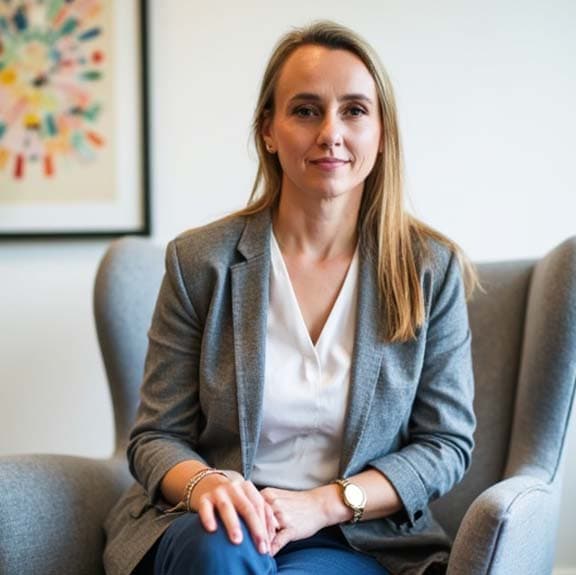
Headshot of Rebecca Smith

PSYCH-K® Centre International Facilitator

5.0(72 reviews)

Specialises in:

Advanced PSYCH-K® CertificationMaster Level FacilitatorHealth & Wellbeing Specialist

Rebecca uses PSYCH-K® to help you rapidly transform the subconscious beliefs that keep you stuck, creating breakthrough results in relationships, health, confidence, and life direction.

Rebecca's advanced PSYCH-K® certifications allow her to address complex belief patterns that traditional methods often struggle to shift effectively.

Whether you're ready to overcome limiting beliefs about money, relationships, health, or self-worth, Rebecca's PSYCH-K® sessions provide the tools for rapid, lasting transformation.

Contact the clinic and we'll secure your session.

What our clients say

6 April 2021
Felt shifts in mindset instantly after the session. Loved working with Rebecca and am excited to see how I change in the next few weeks

PSYCH-K®

Who is Bruce Lipton?

Dr Bruce H. Lipton is a former medical school lecturer and stem cell biologist who became one of the best-known voices in the mind-body conversation. His book The Biology of Belief (2005) popularised the idea that our beliefs, especially the ones running quietly in the subconscious, shape far more of our biology and behaviour than most of us realise. He followed it with Spontaneous Evolution and The Honeymoon Effect.

His central message is hopeful: you are not simply a passenger of your genes. In his telling, the beliefs you carry act like software running your life, and software can be rewritten. It is worth saying plainly that Lipton writes for a general audience, and his ideas about consciousness and biology sit outside mainstream scientific consensus. We share his views here as his views, because they explain why so many people find their way to PSYCH-K®.

How Bruce Lipton found PSYCH-K®

Around 1990, Lipton was lecturing in Colorado about how subconscious programs shape our lives. An audience member asked the obvious question: if the old programs are the problem, how do you change them? At the time, he did not have a good answer.

The next speaker that day was Rob Williams, the creator of PSYCH-K®. Williams opened by saying he would show the audience how the beliefs Dr Lipton had just described could be changed. Lipton has said that lecture changed his life. The two went on to lecture together for years, and for a period Lipton co-taught the Basic Workshop alongside Williams. You can read more about Williams and where the method came from in the story of PSYCH-K®.

The book he almost did not finish

There is a nice irony in the story of The Biology of Belief itself. Lipton has described stalling on the book several times while writing it. In his telling, a PSYCH-K® balance addressing a subconscious fear of being ridiculed by his scientific colleagues preceded him finishing the manuscript within months. He shares this story himself, and put it in the book:

PSYCH-K® has helped me undo my self-limiting beliefs, including one about not being able to finish my book. The fact that you are holding this book is one indication of the power of PSYCH-K®!”

Bruce Lipton, The Biology of Belief

He also wrote:

“I’d like to talk a little about one of these energy psychology techniques called PSYCH-K® because I have personal experience with it, and I am confident of its integrity, simplicity, and effectiveness.”

Bruce Lipton, The Biology of Belief

Why beliefs matter, in Lipton’s model

Lipton often says the subconscious mind runs the show for most of the day, drawing on programs laid down early in life. He describes a handful of ways those programs can be rewritten: hypnosis (which works with the relaxed, theta-like state we live in as young children), steady repetition and practice, high-impact emotional events, and what he calls energy psychology or super-learning approaches. He places PSYCH-K® in that last group, and names it as his preferred tool because he finds it faster than repetition alone.

That framing lines up with how sessions work in practice: rather than talking about a belief for months, you identify it, then use a short structured process to invite the subconscious to accept the new belief you choose. If you are curious about the mechanics, see how PSYCH-K® works.

What Lipton is careful to say (and so are we)

For all his enthusiasm, Lipton is careful about the boundaries, and his official website spells them out. He is not a PSYCH-K® facilitator or teacher. He receives no payment for referring people to it. He cannot guarantee results. And he states plainly that PSYCH-K® is not a substitute for professional medical treatment, but often a complement to it.

We hold the same line at Norwest Wellbeing. PSYCH-K® is about belief change, not medical or psychological treatment, and no outcome is ever promised. If you want to see what research exists on the process itself, read research and evidence.

What this means if you are considering a session

You do not need to accept every idea in The Biology of Belief to benefit from a session. Most people simply come with a goal: more confidence, a habit they want to change, a pattern that keeps repeating. What Lipton’s story offers is a helpful way to think about the work: the beliefs underneath a pattern can be found, and you get to choose what replaces them.

At Norwest Wellbeing, Rebecca Smith facilitates PSYCH-K® sessions as a PSYCH-K® Centre International Facilitator. If you have read Lipton’s book and want to experience the process he describes, you can book a session or start with what is PSYCH-K®.

History and Originator · Research and evidence

PSYCH-K® is not medical or psychological treatment. It complements professional care and never replaces it. No particular outcome is guaranteed; results depend on your goal and your participation.

Frequently Asked Questions

Who is Bruce Lipton?

Dr Bruce Lipton is a cell biologist and best-selling author, known for The Biology of Belief (2005). He writes and lectures about how beliefs and the subconscious mind may influence our biology and behaviour.

Did Bruce Lipton create PSYCH-K®?

No. PSYCH-K® was created by Rob Williams in 1988. Bruce Lipton met Williams around 1990, and the two lectured together for many years. Lipton recommends and uses PSYCH-K® personally but is not a facilitator or teacher of the method.

What did Bruce Lipton say about PSYCH-K®?

In The Biology of Belief he wrote that PSYCH-K® "has helped me undo my self-limiting beliefs, including one about not being able to finish my book," and that he is "confident of its integrity, simplicity, and effectiveness."

Does Bruce Lipton guarantee PSYCH-K® results?

No. His own website is clear that he receives no compensation for referrals, cannot guarantee results, and that PSYCH-K® is not a substitute for professional medical treatment. We take the same position at Norwest Wellbeing.

Updated 21st July 2026.