
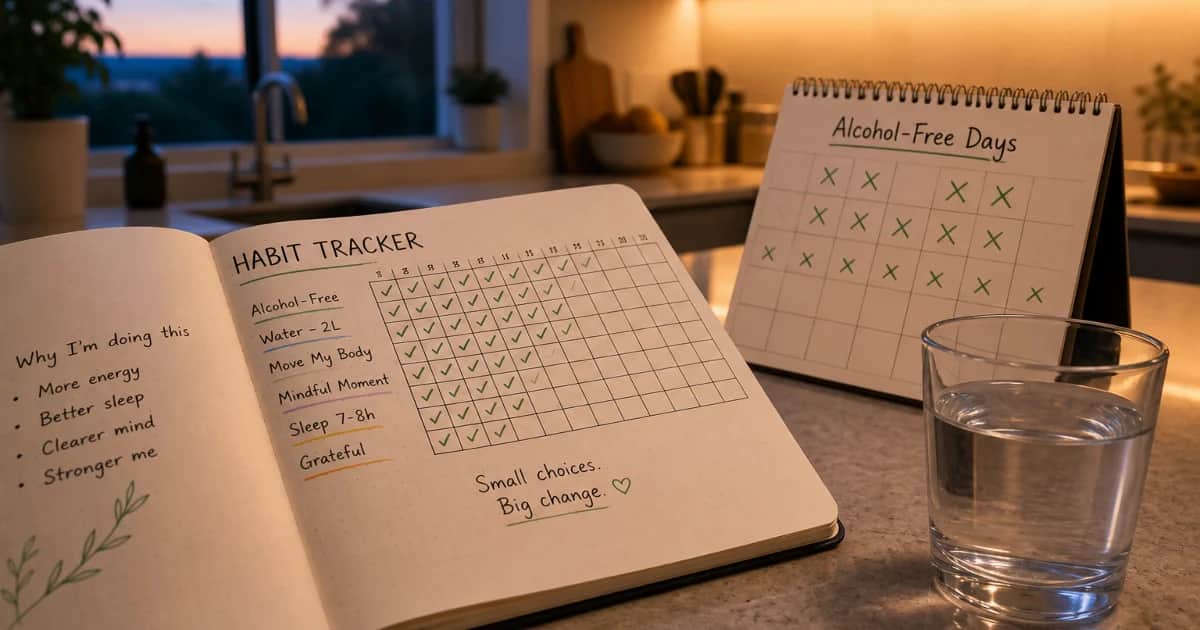
What is Alcohol Reduction?
You already know roughly how much you drink. You have probably set a rule: weeknights off, only two, not tonight. Then Friday arrives, or a stressful week, or the first drink after work, and the plan is gone before it feels like a decision.
If that loop has been running for months, not one heavy period, you are dealing with a drinking habit. People search this as alcohol reduction, cutting down drinking, or drinking less. The clinical work is the same: changing the automatic response to a cue, not reading another reason to drink less.
This article explains what that habit is, how it differs from alcohol dependence and from a one-off slip, and how clinical hypnotherapy at Norwest Wellbeing may help. For treatment pathways and booking, see alcohol reduction treatment and the alcohol reduction hypnotherapy page.
A plain definition
Alcohol reduction, as used here, is the work of changing a learned loop: a cue, an urge, a drink, brief relief, then a stronger cue next time.
The goal is yours. Some people want fewer drinks. Some want alcohol-free weeknights. Some want a reset for a period. Some want to stop in the situations where the habit currently wins. This is not an all-or-nothing abstinence page, and it is not a medical detox.
Willpower talks to the part of you that already agrees. The loop is often faster than that part. People often say they poured the drink on autopilot, then felt foolish because they "know better."
Signs of an automatic drinking habit
The habit is not only how many standard drinks you can count. It is a body-and-cue pattern.
Behavioural signs commonly include:
- Drinking more than you intended, again and again
- Planning evenings, meals, or social events around whether alcohol will be there
- Short-lived rules (alcohol-free days, "only weekends") that do not last
- Hiding how much you drink, or feeling defensive when someone comments
Physical and emotional signs commonly include:
- Using a drink to unwind, sleep, or switch off
- Irritability when a drink is delayed
- Guilt or shame after a heavier night, then repeating the pattern
- Poorer sleep or morning fatigue that sits next to the drinking
If stopping for a day would make you physically unwell (shakes, sweats, strong nausea), that is a reason to see your GP before any reduction work, including hypnotherapy.
How this differs from dependence treatment and from a slip
A slip is a heavier night after a clear plan. A habit is the plan losing to the same cue, repeatedly.
Alcohol dependence is a medical presentation. Withdrawal, morning drinking, and being unable to stop for a day sit in that territory. This page is not treatment for that. If that is your situation, start with your GP. For urgent alcohol and other drug support in Australia, call the National Alcohol and Other Drug Hotline on 1800 250 015.
Cigarettes and vapes are separate habits. If the main problem is smoking, use quit smoking. If it is a vape, use quit vaping. If eating is how you manage feelings, use emotional eating. Do not fold those into this page.
Australian context
The Australian Institute of Health and Welfare reports that in 2022-2023, around 31% of people aged 14 and over drank at levels that increased the risk of alcohol-related harm: more than 10 standard drinks a week on average, and/or more than 4 in a single day at least monthly, measured against the 2020 NHMRC guidelines.
That is a population figure, not a diagnosis. It does not tell you whether you need help. What matters clinically is your pattern and whether you want it to change.
Stress, social settings, and winding down are commonly reported cues. There is no verified official statistic that assigns exact percentages to those triggers.
Daily impact
When the habit is in charge, people often notice:
- Sleep that looks long enough but does not restore
- Evenings that only feel finished once a drink is poured
- Work or family time shaped around the next drink
- A quieter week that still ends the same way on Friday
None of that makes you a bad person. It means the cue is doing a job, and the job has become expensive.
When to seek help in Australia
Seek support when the pattern has lasted months, when rules keep failing, or when people close to you have noticed.
See a GP first if you have withdrawal symptoms, another health condition that alcohol worsens, pregnancy, or thoughts of suicide. Norwest Wellbeing is not a crisis service. In an emergency call 000. Lifeline is 13 11 14.
If the pattern is habit-level and you want structured change, clinical hypnotherapy for alcohol reduction is one option. You can also take a short alcohol reduction screening quiz or read the self-screening guide.
How clinical hypnotherapy may help
Sessions at Norwest Wellbeing start with a non-judgemental map of your goal and cues, then guided relaxation and suggestion aimed at those situations. You stay aware throughout.
Norwest Wellbeing's own reported outcomes sit in a 70-85% range for many people within 2-5 sessions. That figure is clinic-reported, not a finding from a large research trial. Alcohol-specific hypnosis research is limited. Results vary.
This is habit-change support. It can sit alongside GP care, counselling, or a peer programme. It does not replace medical detox.
A personalised hypnosis audio is also available at /hypnosis/alcohol-reduction if you want something to use between live sessions.
Frequently asked questions
Is alcohol reduction the same as quitting drinking forever? Not necessarily. The goal is yours. Some people cut down. Some stop in specific situations. Some reset for a period. The session is built around the goal you name.
Can I still drink socially afterwards? Many people want that. It is a possible goal, not a promise. If the social drink is the cue that currently becomes several, that situation is part of the work.
Does research prove hypnotherapy works for alcohol? The honest answer is that alcohol-specific trials are few and small. A 2019 inpatient trial did not find a statistically significant difference versus motivational interviewing. Clinic-reported outcomes at Norwest sit in a 70-85% range over 2-5 sessions and should not be read as a research result.
Next step
If this description matches what you have been living with, start on the alcohol reduction hypnotherapy page, or book with Paul or Rebecca Smith at the Baulkham Hills clinic or via Zoom Australia-wide.

Written by
Abi McIntyreMedical author and researcher with over 10 years of experience, specialising in mental health.

Clinically approved by
Paul SmithDip.Clin.Hyp. Dip.Psych.Th.
Ready for tailored support?
Book a complimentary consultation with the Norwest Wellbeing team.
We'll talk through your goals, match you with the right practitioner, and outline the first steps to lasting change.
More resources to explore
View all articles →
PTSD Hypnotherapy vs. Traditional Approaches: Which Is Better?
EMDR and trauma-focused CBT are the first-line, evidence-based PTSD treatments, usually with a clinical psychologist; medication may also help via a psychiatrist. Hypnotherapy is a complementary...
How to Prepare for Your First PTSD-Support Hypnotherapy Session
Confirm you have a PTSD diagnosis or assessment, and ideally are already engaged with a psychologist or psychiatrist for trauma-focused treatment, before treating hypnotherapy as a complementary...

Myths About Hypnotherapy for PTSD: Debunking Common Misconceptions
The biggest myths about hypnotherapy for PTSD are that it can cure trauma alone, that it requires reliving traumatic events, and that it can replace EMDR or medication. In reality it's a...