Child misophonia presents with a distinctive pattern of symptoms that can be categorised into physical, emotional, and behavioural responses. Understanding these symptoms is crucial for parents and educators to recognise the condition early and seek appropriate treatment.
Physical Symptoms: Children with misophonia experience immediate physical reactions to trigger sounds, including increased heart rate, muscle tension, sweating, and feelings of being overwhelmed. Many children report a 'fight-or-flight' sensation that feels uncontrollable. Some may experience headaches, stomach upset, or difficulty breathing when exposed to trigger sounds for extended periods.
Emotional Symptoms: The emotional impact is often intense and disproportionate to the trigger. Children may feel sudden anger, rage, panic, or extreme anxiety when hearing specific sounds. Many report feeling guilty or confused about their reactions, especially when the sounds are made by loved ones. Depression and low self-esteem can develop if the condition remains untreated, as children may feel 'different' or unable to control their responses.
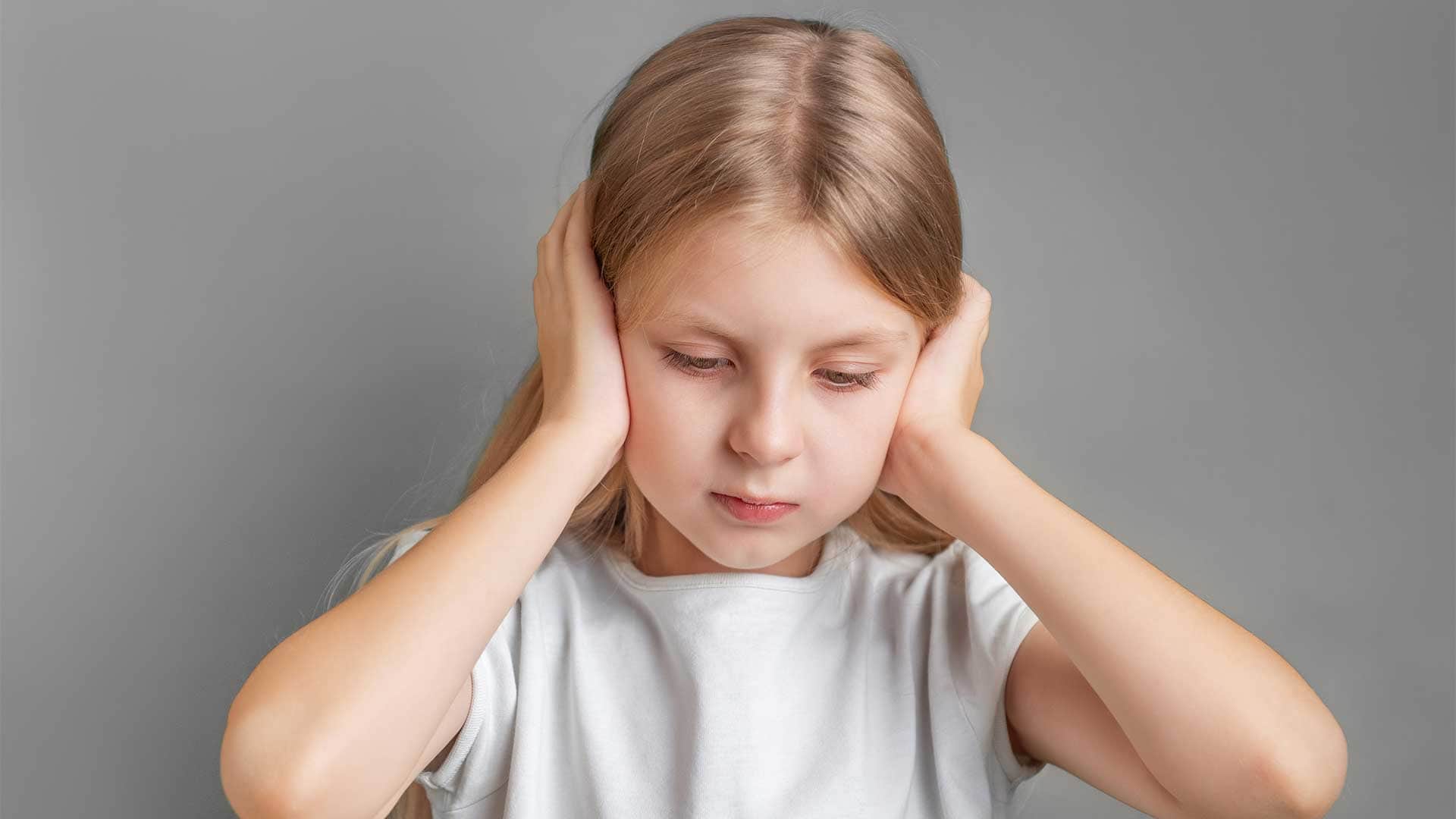
Behavioural Symptoms: Children often develop coping mechanisms that may include covering their ears, leaving rooms suddenly, asking others to stop making sounds, or creating background noise to mask triggers. Some children become hypervigilant, constantly scanning their environment for potential trigger sounds. In severe cases, children may refuse to participate in family meals, avoid social situations, or have difficulty concentrating in classrooms where trigger sounds are present.